
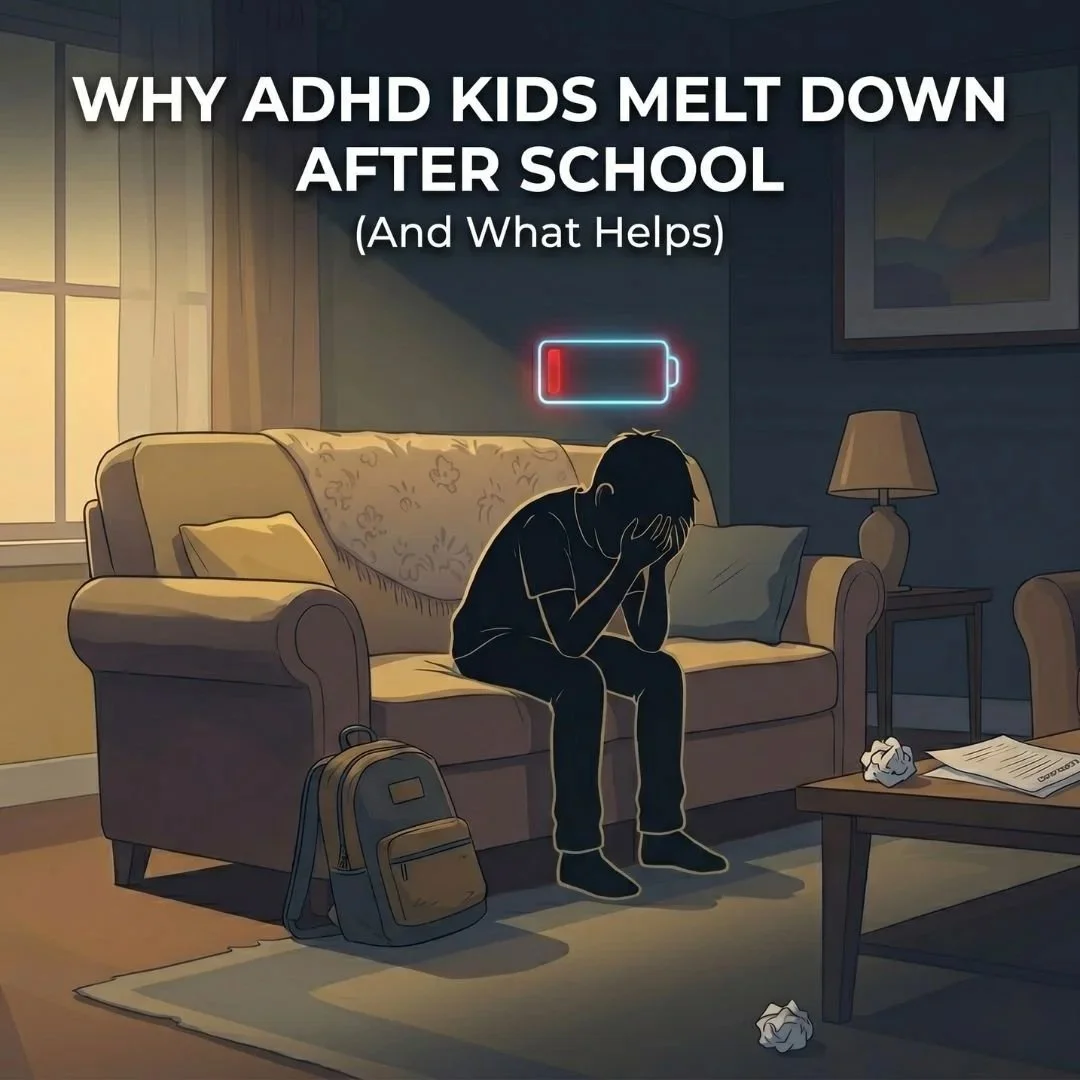
Why ADHD Kids Melt Down After School (And What Helps)
Many kids with ADHD hold it together all day at school—then melt down at home. These after-school crashes are often signs of nervous system overload, not bad behavior. Neurofeedback can help improve emotional regulation and reduce these patterns.

Does Neurofeedback Work for Anxiety?
Anxiety often feels constant because the brain stays stuck in a heightened state of alertness. Neurofeedback helps train the brain to regulate stress, reduce reactivity, and improve emotional stability.
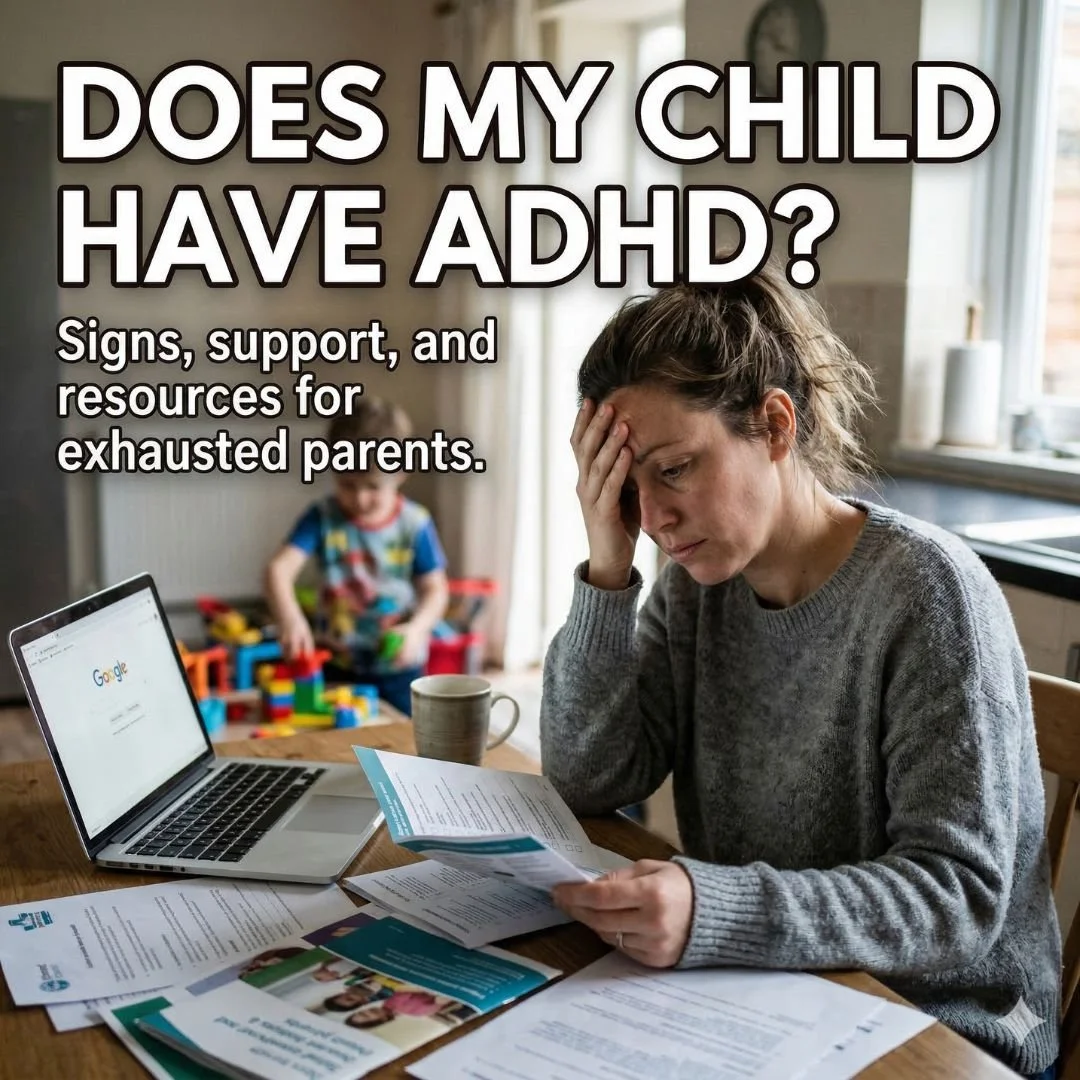
Does My Child Have ADHD?
Wondering if your child might have ADHD? Signs like trouble focusing, homework struggles, and getting in trouble at school may point to attention and regulation challenges. Neurofeedback offers a brain-based approach to improving focus and behavior.
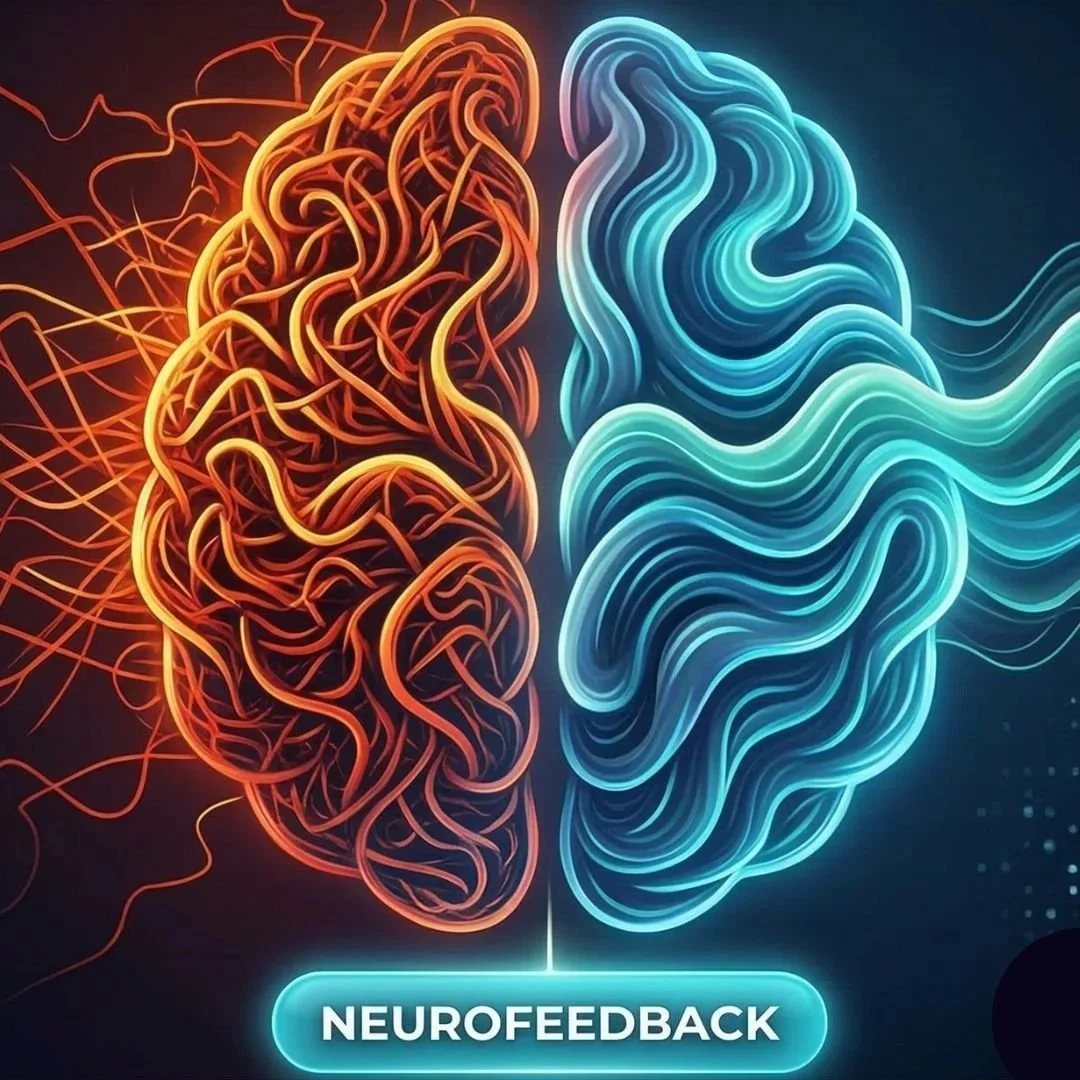
Neurofeedback for Trauma
Trauma symptoms like anxiety, flashbacks, panic attacks, dissociation, and nightmares can leave the nervous system stuck in survival mode. Neurofeedback helps train the brain to regulate stress and restore stability.

Why Are Men So Resistant to Therapy?
Men are significantly less likely to seek counseling, even when dealing with anxiety, depression, or trauma. Neurofeedback offers a powerful, non-invasive way to train the brain and may provide the perfect entry point into therapy for those who feel resistant to traditional counseling.